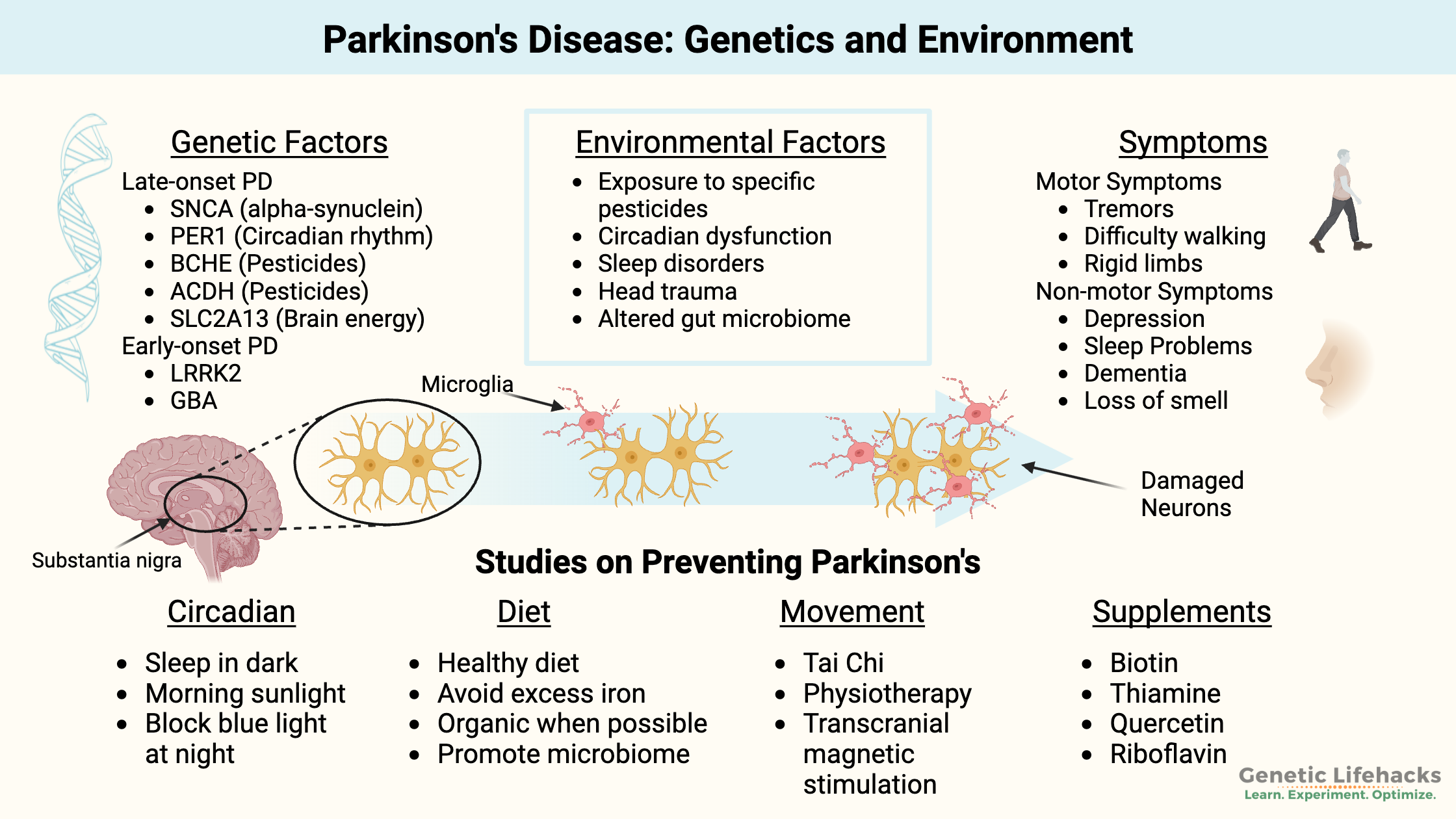
Parkinson’s Disease Risk: Genetics, Environmental Exposures, and Prevention Strategies
Parkinson’s: Explore key genes, environmental risks, gut microbiome factors, and research‑based lifehacks that may help protect dopaminergic neurons.

Parkinson’s: Explore key genes, environmental risks, gut microbiome factors, and research‑based lifehacks that may help protect dopaminergic neurons.
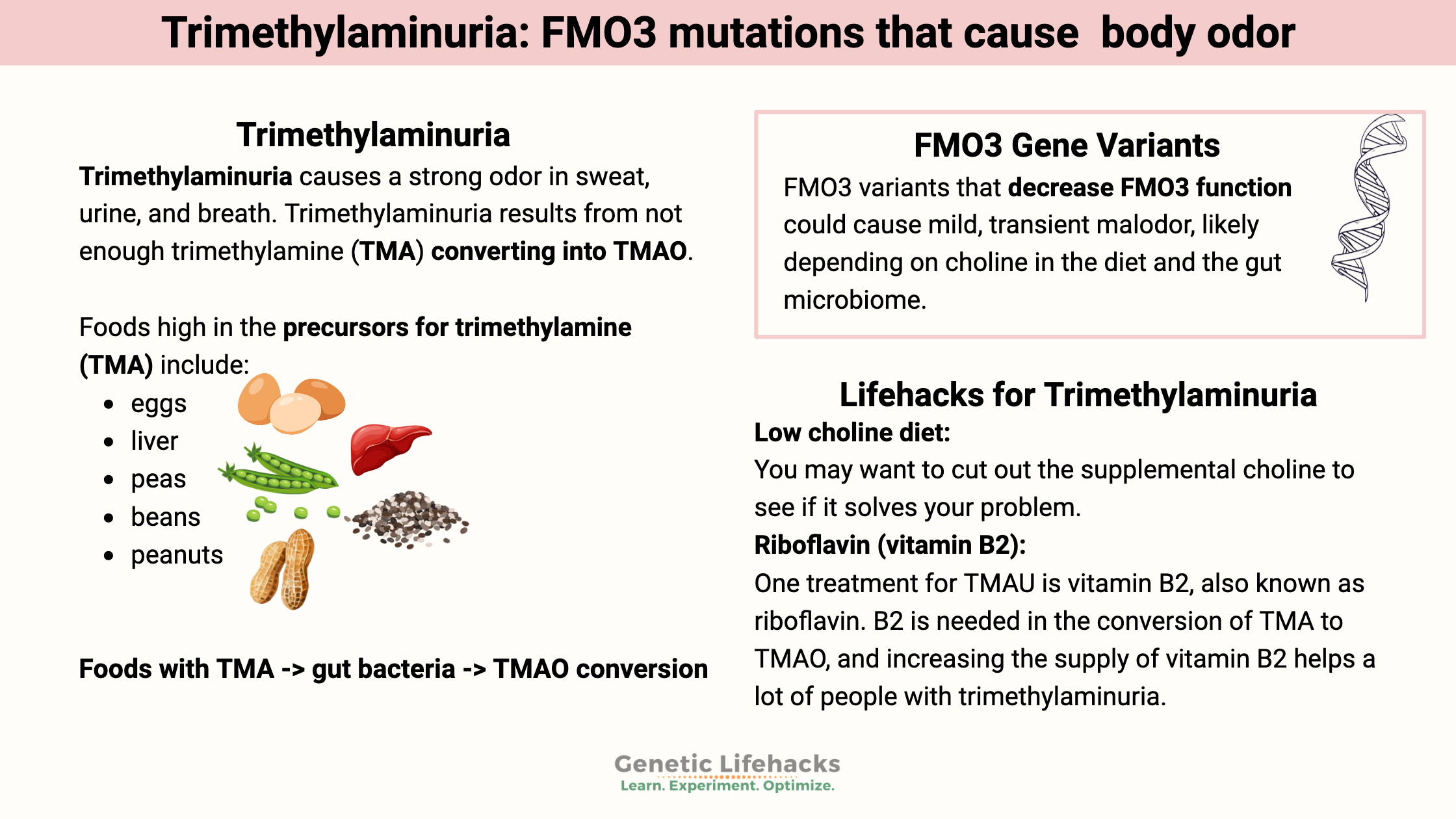
Often referred to as ‘fish odor disease’, trimethylaminuria causes a strong odor in sweat, urine, and breath. This article explores the FMO3 gene, which encodes the enzyme that breaks down trimethylamine.
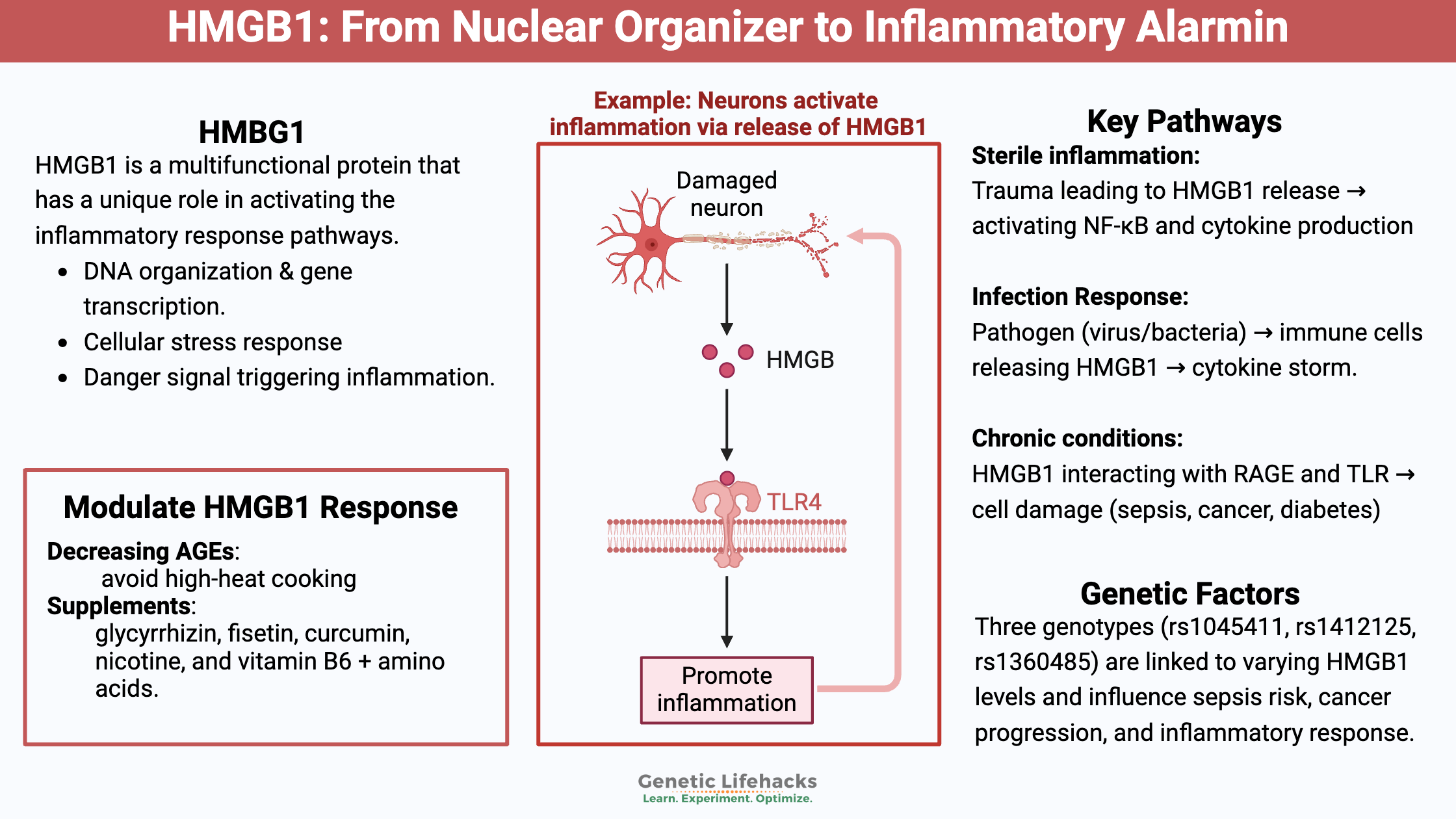
The HMGB1 protein has a unique role in activating the inflammatory response pathways. Increased HMGB1 levels will call up the troops for a big response to an infection. Discover how genetic variants of this protein vary the risk of cancer, inflammation, and sepsis to name a few.
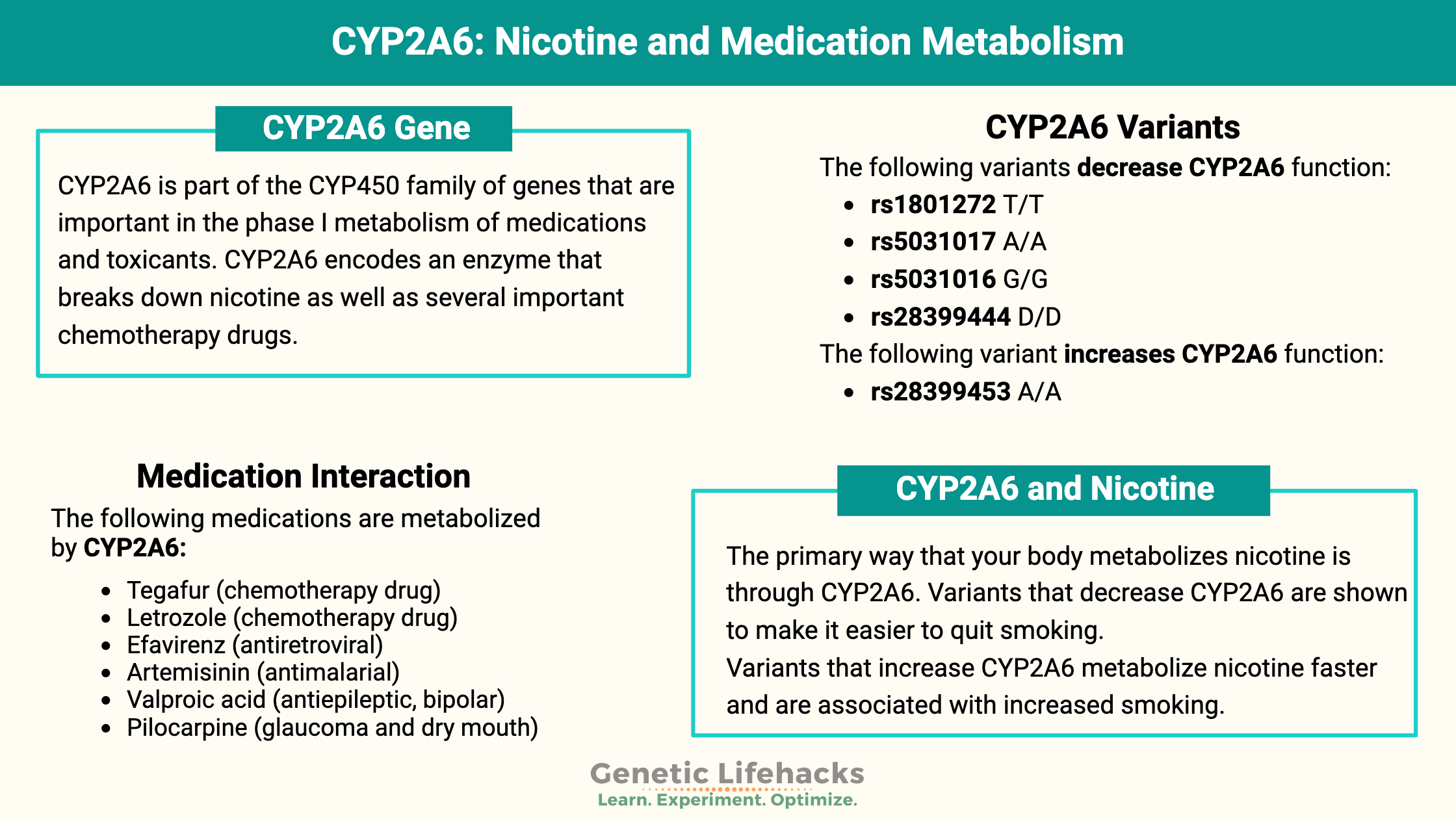
CYP2A6 gene variants shape how fast you break down nicotine and key medications, influencing smoking habits, chemo response, and drug side effects.